

Talk to us

 Send Inquiry
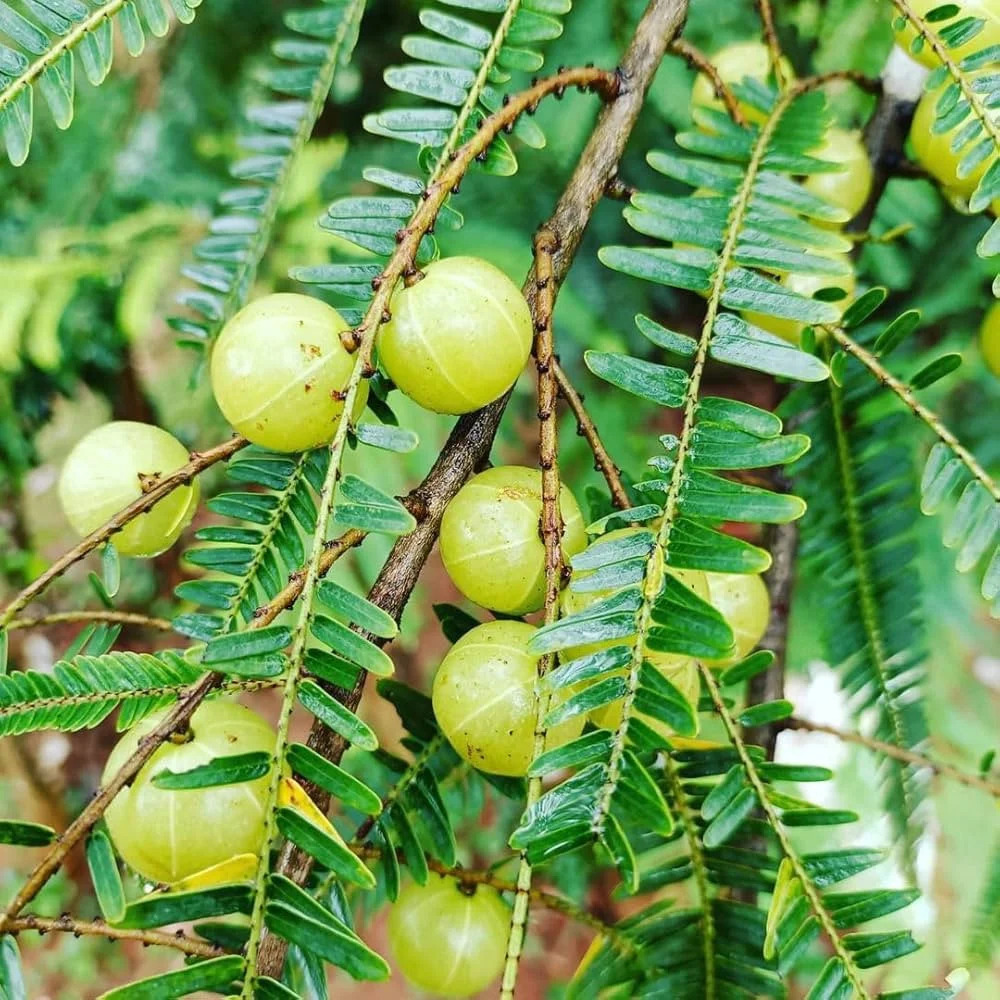
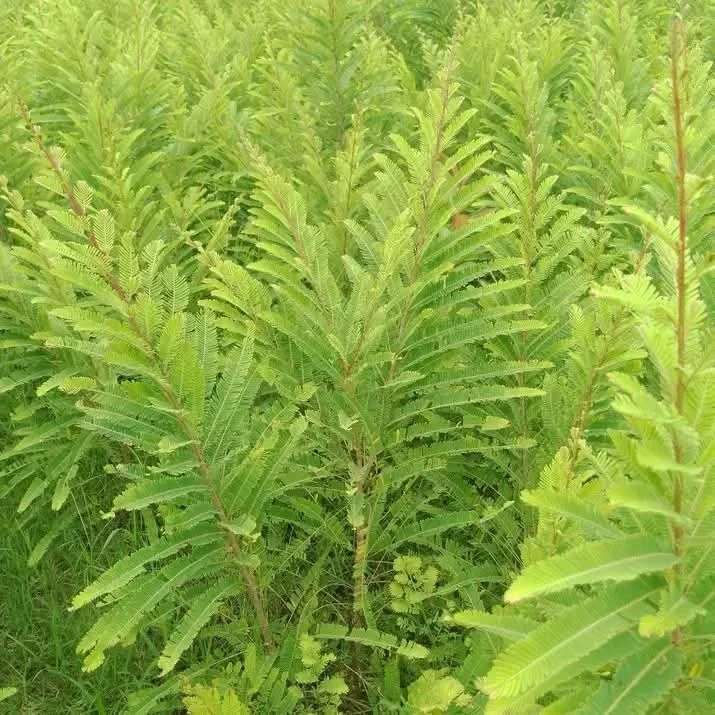
Amla Fruit Plant
MOQ : 100 Pieces
Amla Fruit Plant Specification
- Type
- Fruit Plant
- Variety
- Amla (Indian Gooseberry)
- Breed
- Hybrid
- Part
- Stem, Leaves, Fruits
- Color
- Light Green to Yellowish-Green (fruit)
- Size
- Medium
- Stem length
- 30-80 cm (young plant)
- Shelf Life
- Up to 7 years (as plant); fruits last 5-8 days after harvest
- Fruit Diameter
- 1.5-2.5 cm approx.
- Climate Suitability
- Tropical and subtropical climates
- Plant Height
- 2-8 feet (young plant), matures up to 18-25 feet
- Scientific Name
- Phyllanthus emblica
- Watering
- Moderate, regular watering
- Usage
- Raw consumption, pickles, medicinal, culinary, Ayurveda
- Propagation Method
- Seed or cutting
- Sun Requirement
- Full Sun to Partial Shade
- Edible Portion
- Fruit
- Special Features
- Rich in Vitamin C, antioxidant properties, immunity booster
- Soil Requirement
- Loamy and well-draining soils
- Growth Type
- Deciduous tree
- Fruit Shape
- Round, smooth berries
Amla Fruit Plant Trade Information
- Minimum Order Quantity
- 100 Pieces
- Payment Terms
- Cash in Advance (CID)
- Supply Ability
- 1000 Pieces Per Month
- Delivery Time
- 7 Days
- Main Domestic Market
- All India
About Amla Fruit Plant
The Amla Fruit Plant (Phyllanthus emblica) is a must-have addition for anyone seeking remarkable health and nutritional benefits. Featured for its robust growth and high tolerance to heat (up to 45C), this hybrid variety produces round, light green to yellowish-green fruits that are famously valued in Ayurvedic medicine, culinary recipes, and as a vital nutritional source. With a moderate to fast growth rate and reduced price offering, this inestimable plant yields 10-15 kg per mature plant per season. Perfect for well-drained loamy soil and adaptable for pots during initial stages, it stands up to 8 meters tall and has a shelf life of up to 7 years. An invaluable choice from trusted Indian producers, suppliers, and traders.
Amla Fruit Plant: Commercial Value & Versatile Uses
The Amla Fruit Plant is prized for its extensive commercial applications, including the production of nutritional supplements, Ayurvedic medicines, and culinary products. Its valuable antioxidant-rich fruit serves as a key ingredient in health foods, beverages, and cosmetics. Suitable for both home gardens and commercial orchards, this plant thrives in a variety of soil and sunlight conditions, making it accessible for growers and traders. Its adaptability and consistent yield make it a remarkable investment for various uses.
Sample Availability & Export Market Insights
Amla Fruit Plant samples are readily available for prospective clients eager to assess quality upon arrival. We offer flexible sample policies that accommodate varying proposal amounts, ensuring buyers can review before making large-scale commitments. With India as the main export market, our offerings are geared towards wholesalers, retailers, and global distributors seeking high-quality and reliable supply. The sample policy is designed to facilitate seamless international transactions and determine suitability for bulk orders.
FAQ's of Amla Fruit Plant:
Q: How should the Amla Fruit Plant be watered for optimal growth?
A: The plant requires moderate watering, ensuring the soil remains moist but well-drained. Overwatering or waterlogged conditions should be avoided to prevent root decay.Q: What are the main benefits of cultivating the Amla Fruit Plant?
A: Cultivating amla provides valuable fruits rich in vitamin C, antioxidants, and other nutrients. The fruits support medicinal, culinary, and nutritional applications, offering both health and commercial value.Q: When does the Amla Fruit Plant start yielding fruit and how much can be expected?
A: The plant begins to yield fruit 2-3 years after planting, with mature plants producing approximately 10-15 kg of fruit per season.Q: Where is the best location to plant an Amla Fruit Plant?
A: A location that receives full sun to partial shade and has well-drained loamy soil is ideal for optimal growth and fruit production.Q: What is the recommended process for harvesting Amla fruit?
A: Amla fruits should be harvested when they turn a light green to yellowish-green color and are smooth and round. Regular picking during harvest season ensures maximum yield and freshness.Q: Can the Amla Fruit Plant be grown in containers or pots?
A: Yes, the amla plant is container-friendly, especially during its early growth stages. As it matures, it is best transplanted into open ground for full development.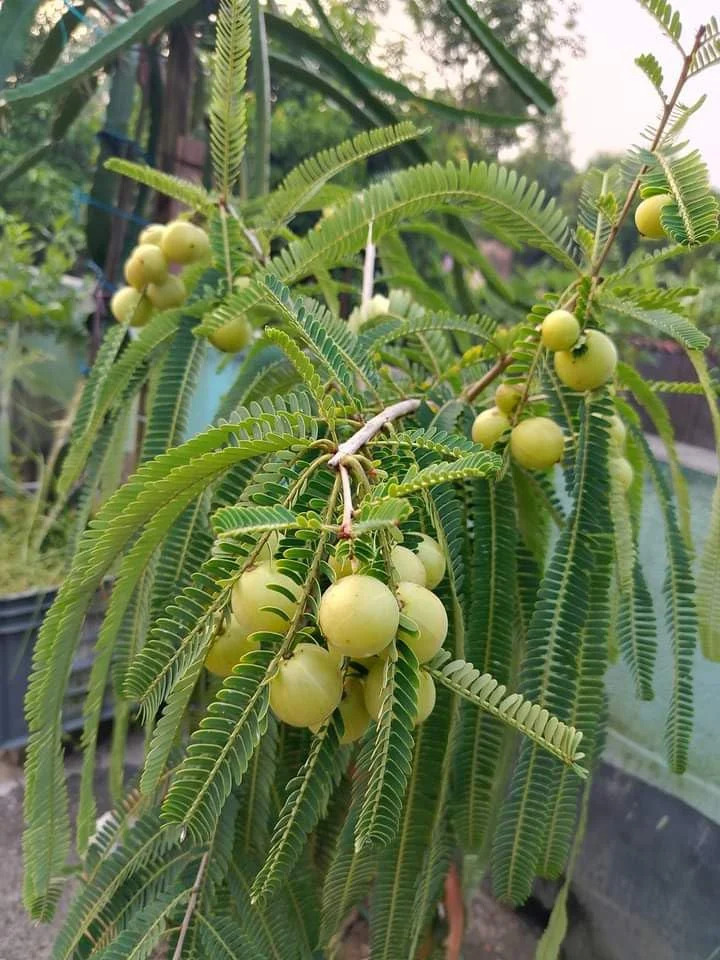
More Products in Fruits Plant Category
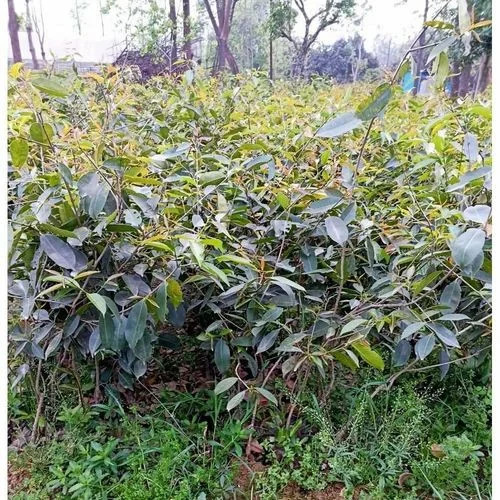
Jamun Fruit Plant
Minimum Order Quantity : 100 Pieces
Size : Medium to Large Sapling
Variety : Other, Jamun (Syzygium cumini)
Color : Green leaves, Purpleblack fruit
Type : Other, Fruit Plant
Shelf Life : Long (Perennial Plant)

 Send Inquiry


